Thursday, 31 July 2014

Cosmetic Surgery and Procedures - Surgery Options


Cosmetic Surgery and Procedures - Surgery Options

There are many cosmetic surgery options to improve or change your face and body. When you talk to your surgeon, be open about what you want, but be willing to listen to his or her recommendations. Your surgeon may recommend a different procedure to achieve a similar result.

Often a less invasive or more isolated procedure will do as well as a more involved surgery. And in some cases, your doctor may recommend one of a number of skin care treatment products or non-surgical cosmetic procedures to treat your problem.

For many surgical procedures, including cosmetic surgery, the method of choice has shifted from traditional open surgery to the use of less invasive techniques. Minimally invasive surgery is surgery done with the aid of a viewing scope and specially designed surgical instruments. The scope allows the surgeon to perform major surgery through several tiny openings without the need for a large incision.

These minimally invasive alternatives usually result in less pain, less scarring, and a quicker recovery for the patient, as well as reduced health care costs. In fact, operations and therapeutic procedures performed through smaller incisions are becoming standard in surgical medicine.

In cosmetic surgery, minimally invasive proce
dures use newer technologies, such as a laser, to perform procedures that once required extensive surgery and recovery time. Today's plastic surgery have available a variety of tools and techniques that make procedures more accessible and affordable.

Common cosmetic procedures

  • Laser resurfacing uses a laser light to heat, damage, or destroy the upper layers of the skin. This can tighten the skin or cause new skin to grow. It is typically used to remove or improve the appearance of wrinkles, brown spots, shallow scars (from acne, surgery, or trauma), and sometimes, the appearance of small veins. Tattoos are removed with surgery or a laser that breaks down the color into fragments. These fragments are removed by your immune system.
  • Chemical peel uses a chemical solution to remove the top layers of skin, allowing new skin to grow. It is most often used to remove wrinkles, superficial skin growths, shallow scars, pigment changes in the skin, and other skin problems.
  • Dermabrasion uses a fine wire brush or a diamond wheel with rough edges to remove the upper layers of the skin, allowing new skin to grow. It may be used to treat acne scars and wrinkles around the mouth or to treat an enlarged nose (rhinophyma) caused by rosacea (facial inflammation and redness).
  • Microdermabrasion uses a different technique to treat just the top layers of the skin.
  • Filler injections are used to smooth wrinkles or pitted scars in the skin. They are also used to make the lips fuller. Fillers can restore volume and structure that is lost due to age or weight loss treatment. When injected under the skin, a filler raises or puffs up that area. This goes away with time.
  • Botox injections use a protein that weakens the muscles of the face to reduce wrinkles. The effect is temporary, lasting about 3 to 4 months.
  • Sc reduces or removes the appearance of small varicose veins and spider veins. In sclerotherapy, a chemical is injected into a vein to damage and scar the inside lining of the vein, which causes the vein to close.
  • Laser hair removal and electrolysis permanently remove unwanted hair such as facial hair. In laser hair removal, light treatments are used to heat and destroy hair follicles. This reduces the number of body hairs. In electrolysis, an electric current is applied to the hair root, which heats and destroys the hair follicle. Hair is not able to grow back in this area.
  • Medical tattooing uses tattoo ink to change the look of a medical problem. For example, it can be used after breast surgery to create the look of a darker nipple and areola. Medical tattooing can also be used to darken white skin patches (vitiligo) and scarred skin.
  • Face-lift (rhytidectomy) removes excess skin and fat and tightens the muscles to smooth the face. Improvement is especially seen along the jawline and in the neck.
  • Eyelid surgery (blepharoplasty) removes excess skin, fat, and muscles from the eyelids to correct drooping eyelids and remove bags and puffiness. Surgery may be done on the upper and lower lids.
  • "Nose job" (rhinoplasty) reshapes the nose by removing or rearranging its cartilage and bones. Rhinoplasty is done to change the appearance of your nose, improve breathing and nasal function, or achieve a combination of both.
  • Breast enlargement (augmentation) places an implant under the breast tissue or the chest muscle to make the breast larger.
  • Breast reduction removes excess breast tissue and skin to reshape and lift the breast. Women may seek breast reduction to change their appearance, reduce back pain, and reduce limitations of activities caused by large breasts.
  • Liposuction uses suction, ultrasound, or laser to remove stubborn fat that has not gone away with a healthy weight loss diet and exercise. For women, this can be on the outer or inner thighs, neck, upper arms, belly, knees, and hips. For men, this can be on the waist, belly, neck, breasts, or back.
  • "Tummy tuck" (abdominoplasty) removes excess skin and fat from the abdominal area and tightens abdominal muscles. When a large weight loss or several pregnancies leave behind extra folds of skin, some people use this surgery for a flatter, smoother stomach. As with liposuction, the purpose of a tummy tuck is to reshape the area rather than to reduce body weight.
  • Varicose vein surgery removes large varicose veins. During varicose vein surgery, an incision is made over the varicose vein, and the vein is tied off and either left in place or removed. But newer therapies for vein stripping include foam sclerotherapy and laser or radiofrequency probes that use heat to destroy varicose veins.
  • Hair transplant surgery reduces the appearance of bald spots or hair loss by moving hair from one part of the head to another.
For more information about Cosmetic Surgery in India visit our clinic:

     AGELESS MEDICA HEALTH MANAGEMENT

45/46, Powai Plaza, Ground Floor,
Opp. Pizza Hut, Hiranandani, Powai,
Mumbai - 400 059
Tel: +91 22 25709006 / 25709007
Mobile: +91 9004347070
Email ID: poojahospital@gmail.com / agelessmedica@gmail.com

Wednesday, 9 July 2014

Signature Peels Treatment at Ageless Medica

Monsoon Bonanza 

For younger look and healthier skin in monsoon avail the service of Signature peel (Nano-technology) at Ageless Medica worth Rs 5000/- at 20% discount.

Indications   
  • Pigmentation
  • Acne & Acne scars
  • Wrinkles & Fine Lines
  • Skin resurfacing
  • Skin rejuvenation
  • Skin sagging
  • Freckles
Unique Features 

Biplosic - Liquid - exfoliates the upper-layer of skin in nano-particles.

Solid - Works on deeper-layer that is dermis - regeneration.

It has Veg-f factor, extracts of Malus domestica

More healthier skin cells is equal to healthier skin with rejuvenation.

This offer is valid for Wednesdays only between 2-7 pm.

For more information contact
Dr. Kavita Shah 9920200377 or Tanmaya Patil at 9833430617 022-25709006/7.

OR

Contact us at:

AGELESS MEDICA HEALTH MANAGEMENT
45/46, Powai Plaza, Ground Floor,
Opp. Pizza Hut, Hiranandani, Powai,

Mumbai - 400 059
Tel: +91 22 25709006 / 25709007
Mobile: +91 9004347070

Wednesday, 2 July 2014

Self Cervical Cancer Test Campaign

Self Cervical Cancer Test Campaign from 1st to 10th July 2014

CVX Pap Smear - Through “Fine Prep”

The CVX test is a liquid cytology based Pap-Smear collection from the cervix for the early detection of cervical cancer.

The diagnosis & slide preparation is done by advance fine prep method.
It is a simple non-invasive, painless and bloodless test.

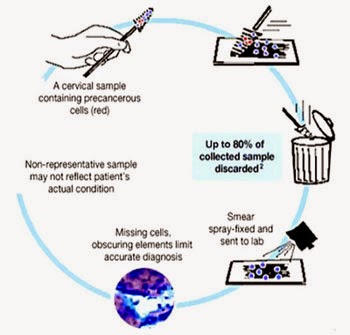
What is the difference between Conventional Pap Smear & Pap smear through Fine Prep?


Pap Smear for cervical cancer detectionConventional Pap smear cancer


Advantages of FinePrep

·         More accuracy than the conventional "Pap smear"
·         Increased disease detection
·         More confident diagnoses
·         Better sample preparation
·         Cost effectiveness

We also offer HPV 16/18 pathological analysis by PCR method.

Importance of CVX Test for Urban Women

·         The burden of Cervical Cancer in India is huge and thus CVX Test becomes an important screening option for every urban women
·         Shortage of time for the working women, where she is trying to balance herself between work and family, CVX Test allows her to get the test done at her convenience and comfort zone
·         The lifestyle of the modern working women is such, with the high stress levels and adaptation to the modern lifestyles, the CVX test becomes all the more important

Prevention

Human Papillomavirus (HPV) is responsible for around 70% of cervical cancers

CVX Test Kit Signs and Symptoms

·         Bleeding that occurs between regular menstrual periods
·         Bleeding after sexual intercourse, douching or a pelvic exam
·         Menstrual periods that last longer and are heavier than before
·         Bleeding after going through menopause
·         Increased vaginal discharge
·         Pelvic pain

Risk Factors

·         Weakened immue system
·         Several pregnancies
·         Giving birh at a very young age
·         Long term use of contraceptive pill
·         Family history
·         Smoking

CVX Test Camp for Early Cervical Cancer Detection

CVX - Pap Smear Test

     Dr Jagdip Shah from Parakh Hospital and Virtus Health Services India Pvt Ltd have organised a special camp for Self Cervical Cancer Testing from 1st July to 10th July 2014 at:

PARAKH HOSPITAL 


Khokhani Lane, 
Opp. Ghatkopar Rly. Stn., 
Ghatkopar (E), Mumbai - 400 077
Phone: 022 - 67827000 / 7004 / 7005
Fax: 022 - 6782 7007
Emergency:9821125519/9821237708
Email: info@fertilityfirst.in
Contact: Ms Tanmaya (+91 8108301817)

AND

AGELESS MEDICA HEALTH MANAGEMENT

45/46, Powai Plaza, Ground Floor, 
Opp. Pizza Hut, Hiranandani, Powai,
Mumbai - 400 059 
Tel: +91 22 25709006 / 25709007 
Mobile: +91 9004347070
Email ID: poojahospital@gmail.com / agelessmedica@gmail.com
Contact: Ms Tanmaya (+91 8108301817)

PRE REGISTRATION IS MANDATORY

Test will be FREE for First 100 registrations.

Special Rate for CVX Test for this camp: Rs 250/-

We appeal you to support us by spreading this message to your entire circle so that maximum female patients can take benefits from this camp.

"Since last 30 years of graduation in medicine, I always tried to catch uo with latest developments in medical science. At the same time genuine and sincere effortsare made to create HEALTHY INDIA by health awareness through regular Medical Camps, public seminars and lectures"

Dr Jagdip Shah, M. D., D.G.O., M.C.P.S.


Know more about Self Cervical Cancer Test here


Wednesday, 25 June 2014

SEXUAL HEALTH – Are we neglecting?


“We all spend lot of time, efforts and money to preserve, protect and restore physical health right from childhood to old age, but we grossly neglect our mental and sexual health”  says Dr Jagdip Shah, a leading Gynaecologist, Endoscopic surgeon and Sexologist from Mumbai. He came out with some startling facts about sexual health and its implications from an extensive survey of 817 middle aged married couple.

In majority the sexual activity has drastically declined ones they become parents. Ambitions, work pressures and timing, addictions and physical ill health are the most important negative forces for reduced sexual urge and performance in men, while gynaecological problems, pregnancy, dual responsibility of home as well as career and children studies are most important forces for reduced sexual urge and performance in women.

Those couples who have taken additional efforts to remain faithful to each other and consider mutual sexual gratification as an essential part of the married life, have better harmony in their life and they take better care of their children. Apart from these they enjoy better physical and mental health compare to those who seek gratification from an outsider. 

But those couples who have neglected are silently or openly suffering from matrimonial disharmony, unpleasant family life, improper child upbringing and physical as well as mental ill health. Alcohol, smoking, late working hours, obesity, TV/Internet, bringing office work to home, financial problems, domestic quarrels and late sleeping habits of children are common but easily correctable difficulties in maintain good sexual health. 

While medical diseases like Diabetes, heart disease, paralysis, cancer, backache and other orthopedics problems, gynaecological problems all need medical treatment along with sexology counseling to maintain  good sexual health. Different medicines, pace makers, valve replacement, orthopedic implants, brain surgery and cancer surgery affecting sexual health should be properly addressed.

A professional help from a sexologist at an earlier stage can make major difference in the life. As a sexologist we always emphasize that like other health check ups every couple must regularly evaluate their sexual health. We have very good questionnaire format for self evaluation. Those who want can send request on poojahospital@gmail.com or jagdip@parakhhospital.com.    

Contat us at:
AGELESS MEDICA HEALTH MANAGEMENT

45/46, Powai Plaza, Ground Floor,
Opp. Pizza Hut, Hiranandani, Powai,
Mumbai - 400 059
Tel: +91 22 25709006 / 25709007
Mobile: +91 9004347070
Email ID: poojahospital@gmail.com / agelessmedica@gmail.com
Wednesday, 18 June 2014

What is Laparoscopy?

Laparoscopy

Laparoscopy is a surgery that uses a thin, lighted tube put through a cut (incision) in the belly to look at the abdominal organs or the female pelvic organs . Laparoscopy is used to find problems such as cysts, adhesions, fibroids , and infection. Tissue samples can be taken for biopsy through the tube (laparoscope).

In many cases Laparoscopy can be done instead of laparotomy surgery that uses a larger incision in the belly. Laparoscopy can be less stressful and may have less problems and lower costs than laparotomy for minor surgeries. It can often be done without needing to stay overnight in the hospital.

What are the advantages of laparoscopic surgery?
Compared to traditional open surgery, patients often experience less pain, a shorter recovery, and less scarring with Laparoscopic Surgery in Mumbai.


Gynaecological Diagnosis

In Gynaecology Treatment in Mumbai, diagnostic laparoscopy may be used to inspect the outside of the uterus, ovaries and fallopian tubes, for example in the diagnosis of female infertility. Usually, there is one incision near the navel and a second near to the pubic hairline.

For gynecological diagnosis a special type of laparoscope can be used, called a fertiloscope. A fertiloscope is modified to make it suitable for trans-vaginal application.

A dye test may be performed to detect any blockage in the reproductive tract, wherein a dark blue dye is passed up through the cervix and is followed with the laparoscope through its passage out into the fallopian tubes to the ovaries


Why It Is Done
Laparoscopy is done to:
  • Check for and possibly take out abnormal growths (such as tumors) in the belly or pelvis.
  • Check for and treat conditions such as endometriosis, ectopic pregnancy, or pelvic inflammatory disease (PID).
  • Find conditions that can make it hard for a woman to become pregnant. These conditions include cysts, adhesions, fibroids, and infection. Laparoscopy may be done after initial infertility tests do not show the cause for the infertility.
  • Do a biopsy.
  • See whether cancer in another area of the body has spread to the belly.
  • Check for damage to internal organs, such as the spleen, after an injury or accident.
  • Do a tubal ligation.
  • Fix a hiatal hernia or an inguinal hernia .
  • Take out organs, such as the uterus, spleen , gallbladder (laparoscopic cholecystectomy), ovaries, or appendix (appendectomy). Partial removal (resection) of the colon also can be done.
  • Find the cause of sudden or ongoing pelvic pain.
  • You may be asked to use an enema or suppository several hours before or the day before the surgery to empty your colon.
  • The hospital or surgery center may send you instructions on how to get ready for your laparoscopy or a nurse may call you with instructions before your surgery.
  • You will be asked to sign a consent form that says you understand the risks of the test and agree to have it done.
For more information about Laparoscopy Treatment in Mumbai, Contact us at:


AGELESS MEDICA HEALTH MANAGEMENT

45/46, Powai Plaza, Ground Floor, 
Opp. Pizza Hut, Hiranandani, Powai,
Mumbai - 400 059 
Tel: +91 22 25709006 / 25709007 
Mobile: +91 9004347070
Email ID: poojahospital@gmail.com / agelessmedica@gmail.com

Wednesday, 11 June 2014

What is Trichology?

Trichology is the science of the structure, function and diseases of the human hair.

Clinical trichology is the diagnosis and treatment of diseases and disorders of the human hair and scalp.

Reasons to Consult a Trichologist :

Hair loss

Hair loss can cause great distress, and there are many misunderstandings about its causes and treatment. Probably the most common type of hair loss is the so-called ‘male pattern baldness’, which, despite its name, can affect women as well as men, and for which, in men, there appears to be no specific, readily- available treatment. This is a problem that requires sympathetic handling, and a qualified trichologist has to understand the patient’s anxiety and help him come to terms with the loss of hair. Some women suffering from this condition can be helped with medical assistance and the use of hormonal treatment.

There are many other types of hair loss which can and do respond to treatment and advice without medical assistance. There are also some types of hair loss which can have a natural or spontaneous recovery. Excessive hair loss can often be a symptom of some other problem or variation in the metabolism of the body, and for this reason, co-operation between the patient’s doctor and the trichologist is often necessary.

Problems of the scalp

Problems of the scalp, ranging from dandruff to more inflammatory conditions, occupy much of a trichologist’s time. As with the hair, these problems can be symptomatic of some other metabolic variation. Stress, poor diet, or even some allergies to certain foods, can be responsible for the build up and shedding of dead skin cells. The management of hair and scalp that are excessively greasy is another area in which the advice of a qualified trichologist is often sought. Here, guidance on the right type of shampoo for any particular individual, and on its frequency of use, might be particularly relevant.

For more details on the types of conditions treated by Trichologists is as given below

Hair Conditions

Alopecia
Alopecia is a blanket term for hair loss of any kind. There are many types and causes of hair loss (alopecia), most of which can be effectively treated. Hair loss may be genetically inherited, or it may be caused by a variety of other factors including protein or other dietary deficiency, hormonal imbalance, and stress. Hair loss can also be the first sign of an otherwise undiagnosed or undetected underlying illness. Androgenetic Alopecia

The main type of hair loss for which there is no effective treatment is genetically inherited hair loss (known as Male Pattern Baldness or Androgentic Alopecia).

It is important to note, however, that this condition can and does affect females too, even though it is called Male Pattern Baldness (it is gene-linked, not sex-linked). In women, it is likely to lead to diffuse hair loss, (a general thinning of the hair density) rather than to obvious bald patches.

Although there is no cure for this condition, hair loss can be limited or slowed down in some cases ­ and treatments are likely to be more effective on women than on men.

The important thing to understand is that the best that can be said of treatments for genetically inherited hair loss is that they can be effective to some degree on some people some of the time.

Scarring Alopecia
Can occur after infectious scalp disorders or, more rarely, they are auto-immune conditions (when the body attacks the hair follicle as it would invading bacteria).

Other Alopecia
Other types of alopecia that you may have heard of include Alopecia Areata, Alopecia Total is, Alopecia Universalis and Traction Alopecia (there are others, too). These are all entirely distinct from Androgentic Alopecia (above) and have a much better chance of responding to professional diagnosis and treatment.

Thyroid Disorder
Hair problems including decreased manageability may rarely be one of the first signs of thyroid undersecretion. The hair loss, if any, will be diffuse, and the condition can therefore be confused with several other conditions, including androgenetic alopecia in women. Expert trichological or medical advice is essential; but, providing early treatment is initiated, full recovery of the hair should occur. Correct diagnosis will require blood tests.

Iron Deficiency
More and more cases of diffuse hair loss in women are attributable to iron deficiency. This is more probably common among vegetarians and those with eating disorders. It is not always appreciated that iron deficiency can occur even not a patient is not clinically anaemic and has normal haemoglobin levels. As with thyroid problems, with which the symptoms of iron deficiency can be confused, a blood test is essential to correct diagnosis. No diffuse alopecia (thinning of the hair) should ever be ignored. It can be an early manifestation of several underlying conditions.

Traumatic Hair Loss or Breakage
This type of hair loss is caused by hairdressing damage and other traumas involving chemicals, heat or physical trauma. Often the sufferer is unaware of the causative factors. If treated before the scalp is damaged, hair will regrow.

Scalp
Problems of the scalp, ranging from dandruff to more inflammatory conditions, occupy much of a trichologist’s time. As with the hair, these problems can be symptomatic of some other metabolic variation. Stress, poor diet, or even some allergies to certain foods, can be responsible for the build up and shedding of dead skin cells.

The management of hair and scalp that are excessively greasy is another area in which the advice of a qualified trichologist is often sought. Here, guidance on the right type of shampoo for any particular individual, and on its frequency of use, might be particularly relevant.

Cradle Cap
Many infants, during the first three months of life, develop a matted, crusted scale of the scalp, with reddening. Some also develop simultaneous scaling and reddening behind the ears and on the neck. A rash may sometimes accompany the condition. Cradle cap is a form of seborrheic dermatitis and is fairly easily controlled but not cured. In most cases, cure will eventually occur spontaneously, but if the condition persist, consult a trichologist.

Psoriasis
Psoriasis is a common scaling skin disease which affects around 1 to 2 per cent of the population. Most psoriasis sufferers will develop psoriasis of the scalp at some time, and the condition is both distressing and cosmetically disfiguring. However, psoriasis does not generally cause permanent loss of hair.
The precise cause of psoriasis is not known, but it is almost certainly the result of a disorder of the immune system & Confusion can occur with other conditions, and correct diagnosis prior to treatment is essential.

Ringworm
Ringworm is a parasitic skin infection caused by a fungus. It can be disfiguring and often causes hair loss. There are several types and variants of the condition and, in certain circumstances, it can lead to scarring and permanent hair loss. Infection can result from direct personal contact or via objects such as hairdressing clippers. Ringworm often reaches near epidemic proportions in schools and is mainly a disease of childhood. It is a serious condition which requires immediate and appropriate treatment. It should not be ignored!

Seborrheoic Eczema
An inherited, itchy, inflammatory, scaling scalp condition which can cause much discomfort and embarrassment. The condition is treatable, with much success, but is not wholly curable.

Pityriasis Amiantacea
A heavy scaling condition which can cause patchy hair loss. Prompt treatment can remove scaling and stop progression of associated hair loss. CONTACT DERMATITIS A scalp condition affecting areas of the scalp in contact with a chemical irritant. Symptoms can range from mild scaling and irritation to violent allergic reaction. Trichological treatment in Mumbai is very effective.

Folliculitis
A pustular condition mostly affecting young black men. It can lead to permanent hair loss and even to KELOIDS (raised scar tissue at the back of the neck). Prompt treatment and correct advice are essential, but the condition is not always curable.


we have expert tricologist at our centre who are practicing more than 2 decades in mumbai, who can give you the exact solutions to your hair problems. All the Patients have got excellent result in various cases, they all are happy with the services at Ageless medica.

Contact us at:
AGELESS MEDICA HEALTH MANAGEMENT
45/46, Powai Plaza, Ground Floor, 
Opp. Pizza Hut, Hiranandani, Powai,
Mumbai - 400 059 
Tel: +91 22 25709006 / 25709007 
Mobile: +91 9004347070